
Cryptocurrency Exchange Apps: Complete Guide to How They Work, Types, Features, Risks, and Future Trends
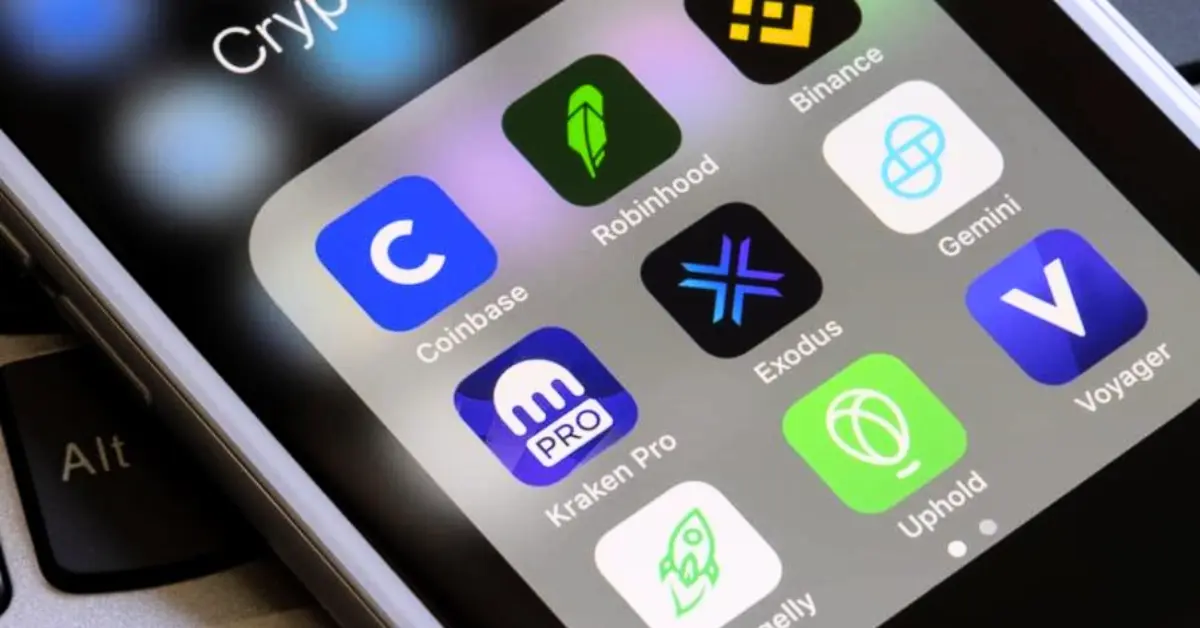
Cryptocurrency exchange apps have become one of the most important gateways into the digital asset economy. They allow users to buy, sell, store, and trade cryptocurrencies such as Bitcoin, Ethereum, and thousands of alternative tokens directly from their mobile devices or browsers. As blockchain adoption continues to expand globally, these apps are evolving into full-scale financial ecosystems that go far beyond simple trading.
Today, cryptocurrency exchange apps are not only tools for investors but also platforms for payments, savings, staking, lending, and decentralized finance participation. Understanding how they work and what separates different types of exchanges is essential for anyone entering the crypto space.
What Is a Cryptocurrency Exchange App?
A cryptocurrency exchange app is a digital platform that enables users to trade cryptocurrencies for other digital assets or fiat currencies such as USD, EUR, or SGD. These apps act as marketplaces where buyers and sellers are matched either through an automated system or smart contracts.
In simple terms, they function like stock trading apps but are designed specifically for digital currencies instead of company shares. Most exchange apps also include additional features such as price tracking, portfolio management, and wallet storage, making them central hubs for crypto activity.
How Cryptocurrency Exchange Apps Work
The way crypto exchange apps operate depends on whether they are centralized or decentralized.
In centralized systems, the exchange acts as an intermediary. Users deposit funds into the platform, place buy or sell orders, and the system matches these orders through an internal order book. The exchange holds custody of the funds during trading, which allows for fast execution and high liquidity.
In decentralized systems, trading happens through smart contracts on the blockchain. Users connect their personal wallets and trade directly with others without handing over custody of their assets. This removes intermediaries and increases transparency, although it can sometimes lead to higher transaction fees and lower liquidity compared to centralized platforms.
Both models serve different needs, and many users eventually interact with both depending on their experience level and trading goals.
Types of Cryptocurrency Exchange Apps
There are three main categories of cryptocurrency exchange apps: centralized, decentralized, and hybrid.
Centralized exchanges are the most widely used. They are operated by companies that manage user accounts, liquidity, and transaction matching. These platforms are known for their ease of use, strong liquidity, fiat payment support, and customer service. However, users must trust the platform with their funds since they do not control private keys.
Decentralized exchanges operate without any central authority. Instead, they rely on blockchain-based smart contracts to execute trades. These platforms are popular among users who prioritize privacy and full control over their assets. While they offer greater transparency, they may be less beginner-friendly and sometimes suffer from lower trading volume.
Hybrid exchanges combine features from both models. They aim to offer the speed and liquidity of centralized systems while maintaining some of the security and transparency benefits of decentralized platforms. This category is still developing but is expected to grow significantly in the future.
Key Features of Cryptocurrency Exchange Apps
Modern crypto exchange apps are highly advanced and offer far more than basic trading functionality. One of their core features is real-time market access, allowing users to view live charts, price movements, and trading activity.
They also provide integrated wallets for storing cryptocurrencies securely, along with advanced order types such as market orders, limit orders, and stop-loss functions that help traders manage risk effectively.
Security is another critical component. Most platforms use multiple layers of protection including two-factor authentication, encrypted storage systems, withdrawal whitelists, and cold wallet storage for large funds.
Many apps also include fiat gateways, allowing users to deposit money using bank transfers or credit cards and withdraw profits directly into their bank accounts. In addition, newer platforms offer staking and yield-generation features, enabling users to earn passive income on their holdings.
Benefits of Cryptocurrency Exchange Apps
Crypto exchange apps provide several advantages that have driven global adoption:
- Easy access to digital markets
- 24/7 global trading availability
- Low entry barrier for beginners
- Fast transaction execution
- Wide variety of cryptocurrencies
- Financial inclusion for unbanked users
These benefits make exchange apps essential tools in the modern financial ecosystem.
Risks and Challenges
Despite their advantages, cryptocurrency exchange apps also come with significant risks. Security remains one of the biggest concerns, especially for centralized exchanges that hold large amounts of user funds and are frequent targets for cyberattacks.
Regulatory uncertainty is another challenge. Different countries have different rules regarding cryptocurrency trading, and these regulations can change quickly, affecting how exchanges operate.
Market volatility also plays a major role. Cryptocurrency prices can fluctuate dramatically within short periods, leading to potential financial losses for inexperienced traders.
Additionally, users of centralized exchanges face custodial risk, meaning they do not fully control their private keys. On decentralized platforms, risks include smart contract bugs, liquidity issues, and temporary inefficiencies during high network congestion.
Centralized vs Decentralized Exchanges
The difference between centralized and decentralized exchanges comes down to control, convenience, and transparency.
Centralized exchanges focus on ease of use, high liquidity, and customer support, making them ideal for beginners. Decentralized exchanges prioritize user control, privacy, and transparency, appealing more to advanced users who prefer self-custody of assets.
In reality, many crypto users use both types of platforms depending on their needs-centralized exchanges for fiat onboarding and liquidity, and decentralized exchanges for privacy-focused trading and access to new tokens.
Future of Cryptocurrency Exchange Apps
The future of cryptocurrency exchange apps is closely tied to the evolution of blockchain technology and global financial systems. One major trend is the integration of artificial intelligence, which will help users make smarter trading decisions by analyzing market patterns in real time.
Another important development is cross-chain interoperability, which will allow users to trade assets across multiple blockchains seamlessly without relying on complex bridging systems.
We are also likely to see more regulatory integration as governments establish clearer frameworks for digital assets. This will help increase trust and encourage wider adoption among institutional investors.
Additionally, cryptocurrency exchange apps are gradually evolving into “super apps” that combine trading, payments, lending, and even traditional financial services into a single platform.
Conclusion
Cryptocurrency exchange apps are at the center of the modern digital finance revolution. They make it possible for anyone with a smartphone to access global markets, invest in digital assets, and participate in the growing blockchain economy.
While centralized exchanges offer convenience and liquidity, decentralized exchanges provide autonomy and transparency. Understanding the strengths and weaknesses of each model is essential for making informed decisions.
As technology continues to evolve, these apps will become even more powerful, secure, and integrated into everyday financial life, shaping the future of how people interact with money.
