
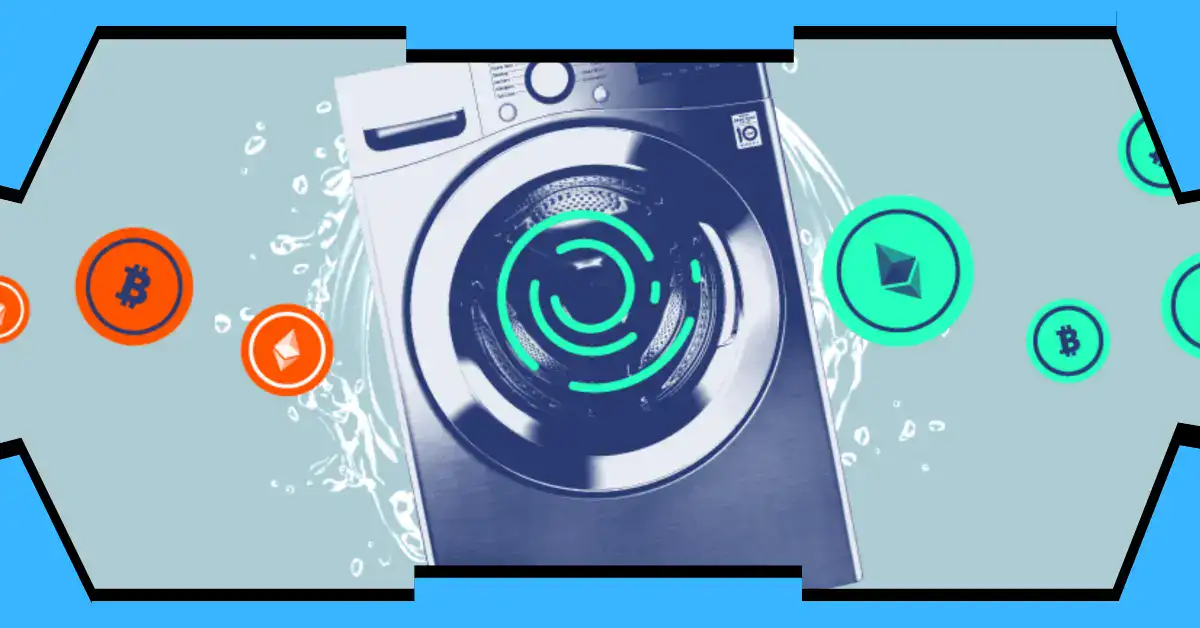
One of the most debated topics in cryptocurrency is its privacy and transparency. As blockchain promotes transparency, many users are seeking ways to reclaim privacy. Coin Mixers are one of the privacy tools that were introduced as a solution to this problem. To users, Coin Mixers are essential privacy tools, but to regulators, they are potential gateways for money laundering. It is important to understand how they work and their legal status before you get started.
What Is a Coin Mixer in Crypto?
Coin Mixer is a service used for mixing cryptocurrencies from multiple users together to conceal the traces of a transaction. It is also known as a crypto mixer or a crypto tumbler. Coin Mixer helps to enhance the anonymity of users by breaking the connection between the sender and receiver.
Crypto transactions are transparent and publicly accessible, which is also raising some concerns about the privacy of users. Coin Mixer is one of the technologies adopted by some cryptocurrencies to solve this problem. It allows users to prioritize their financial privacy over transparency.
How Does A Coin Mixer Work?
The standardized working of the coin mixer follows three steps:
- Pooling (The Deposit): A user deposits a specific amount of cryptocurrency from their public wallet into a smart contract or a third-party custodian. It is pooled together with the deposits of other users.
- Scrambling (The Mixing): The deposits are then shuffled together to mix them. The deposits with the identical denominations are grouped together. This process removes the visible trail of ownership. The assets form a cryptographic protection where the sender and the recipient are no longer connected.
- Distribution (The Withdrawal): The mixer then extracts the amount and transfers it back to the user. A small network or service processing fee will be deducted. The received funds are cryptographically disconnected from their previous transaction history.
Types of Coin Mixers
There are mainly 2 types of mixers
Centralized Mixers (Custodial)
In the centralized coin mixing process, a third-party entity acts as a custodian. You can send your funds to the operator, and they will shuffle the coins internally. After that, they will send it back after deducting a fee.
Decentralized Mixers (Non-Custodial)
In a decentralized mixing process, you deposit your crypto into a smart contract. The protocol groups it with deposits from other users. Smart contracts can automate the process without a central operator.
Are Coin Mixers Legal in 2026?
The legal status of Coin Mixers varies according to the frameworks of each jurisdiction. The coin mixers have been getting significant attention from regulators due to their widespread misuse for illegal activities. Coin mixers have faced intense regulatory scrutiny worldwide, making them primary targets for authorities who are cautious about money laundering.
In the United States, Tornado Cash was sanctioned in 2022 over alleged money laundering activities. OFAC officially withdrew these sanctions and delisted the protocol in March 2025 following a federal appeals court ruling. But using mixers for illegal activity remains punishable. Some countries have very strict rules for Coin Mixers, while some regulators focus on AML compliance rather than outright bans.
Choosing regulated mixers can help in reducing legal risks. Even if you are using the mixer legally, it can still land you in trouble if it is widely used for illegal activities. It is important to comply with your local laws and regulations when you are using Coin Mixers.
Risks and Downsides of Coin Mixers
Legal Issues: Some countries monitor or restrict the mixer usage. Using a closely monitored mixer may put you in trouble.
Security Issues: If you are not using trusted centralized mixers, you might end up losing funds.
Technical Issues: The anonymous status may not be full as Governments and some blockchain companies can still identify patterns in transactions.
Privacy Guide for Coin Mixer Users
- Prioritize Non-Custodial Options: Avoid custodial centralized mixers, as they expose you to severe security risks. They can keep logs of your real IP address, track your transaction history, or simply exit-scam with your funds.
- Use Decentralized Protocols: Stick to modern decentralized protocols that utilize practices such as zero-knowledge proofs. These protocols allow you to mathematically prove you possess a legitimate “claim check” to withdraw assets from a shared pool.
- Maintain Clear Financial Records: Obscuring your transactions on a public ledger does not legally exempt you from tax liabilities. Keep a record of your deposit history and withdrawal details.
Final Thoughts
Every crypto transaction leaves a permanent digital footprint. This data is publicly available and exposes personal and financial information for anyone to see. While Coin Mixers can improve transaction privacy, they also carry legal and ethical risks to look after. The future of crypto privacy may depend on finding a balance between user anonymity and regulatory compliance.
Also Read: Youngest Crypto Billionaires in 2026: Who Made Their Fortune Fastest?
