
Nearly 1 Million Investors Lost $3.8 Billion on Trump Meme Coin: What Happened?
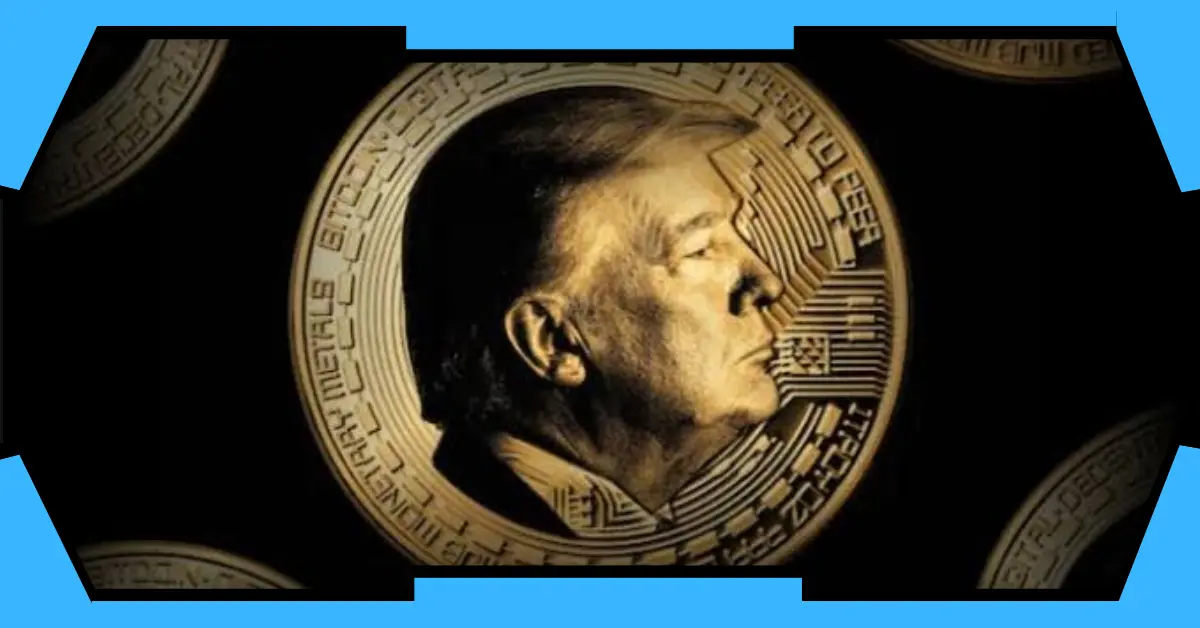
In a stark illustration of the volatile world of meme coins and the intersection of politics and cryptocurrency, nearly one million investors have collectively lost approximately $3.81 billion on the official Trump meme coin, known as $TRUMP. According to blockchain analytics firm Nansen, as of the end of June 2026, 988,905 wallets—roughly two out of every three buyers—recorded losses, including both realized sales at a deficit and unrealized “paper” losses on holdings still held.
This massive retail wipeout stands in sharp contrast to the gains realized by early insiders and the Trump-affiliated entities behind the project. President Donald Trump’s 2025 financial disclosure revealed a $636 million payout tied directly to the $TRUMP meme coin, contributing to a broader crypto-related haul exceeding $1.4 billion to $2.2 billion from his business ventures that year.
The Launch: Hype Meets Presidential Branding
The $TRUMP token launched on January 17, 2025—just three days before Trump’s second inauguration—on the Solana blockchain. Developed by Trump-affiliated entities CIC Digital LLC and Fight Fight Fight LLC, it was marketed as the “only official Trump meme coin.” The project’s website emphasized community support and symbolic value tied to Trump’s image, featuring artwork of him raising his fist with the slogan “Fight Fight Fight,” referencing the 2024 assassination attempt.
Total supply was set at 1 billion tokens. Only 200 million (20%) were released to the public via an initial coin offering (ICO), with the remaining 800 million held by Trump-controlled companies for phased release over years. This structure gave insiders significant control over supply and potential liquidity.
Trump promoted the coin heavily on Truth Social and other platforms, urging supporters to “GET YOUR $TRUMP NOW.” The launch ignited frenzy in the crypto community, fueled by expectations of a pro-crypto administration. The token skyrocketed from initial levels around $1–$6 to an all-time high of approximately $75.35 within days, briefly pushing its market capitalization into the tens of billions.
Early buyers, including potential insiders and whales, captured enormous gains. Nansen data shows fewer than 500,000 wallets (about one-third) profited a combined ~$4 billion, with profits heavily concentrated among those who bought in the earliest hours or minutes.
The Collapse: From Peak to 97% Plunge
The euphoria was short-lived. Like many meme coins, $TRUMP lacked intrinsic utility—no governance rights, revenue share (beyond trading fees benefiting creators), or real-world use cases. It was pure speculation driven by hype, celebrity/political branding, and FOMO (fear of missing out).
The price crashed dramatically post-peak. By late June/early July 2026, it traded around $1.76–$1.78, representing a ~97% decline from its high. This left late buyers—many retail investors and Trump supporters drawn by the presidential endorsement—holding bags worth fractions of their purchase price.
On-chain data and reports highlight classic meme coin dynamics: massive early sell-offs by large holders (whales), concentrated liquidity extraction, and sustained selling pressure. Analysts noted patterns resembling a “pump and dump,” where hype drives prices up, early participants exit, and retail absorbs losses. Trading fees from high volume also flowed back to creators, providing steady revenue regardless of price direction.
By mid-2025, earlier analyses already showed hundreds of thousands of wallets in the red, with small holders disproportionately affected. The Nansen update through June 2026 painted an even bleaker picture for the broader buyer base.
Who Lost Money and Why?
- Scale of Losses: Average loss per affected wallet was roughly $3,850, though variance was high. Many were first-time or low-experience crypto users betting on Trump’s brand.
- Demographics: Reports suggest a significant portion were MAGA supporters viewing the coin as a show of loyalty or “investment” in Trump’s success. Stories emerged of individuals losing tens or hundreds of thousands, such as trader Nicholas Pinto, who lost ~$500,000.
- Broader Context: This was part of multiple Trump-family crypto ventures (including Melania’s coin and World Liberty Financial), which collectively generated billions for the family while retail faced heavy losses. Critics pointed to conflicts of interest, with Trump influencing crypto policy while personally profiting.
Meme coins are inherently high-risk: driven by social media, celebrity influence, and speculation rather than fundamentals. $TRUMP’s political tie amplified both the upside hype and downside risks.
Trump’s Gains and Ethical Questions
Trump’s financial disclosure underscored the asymmetry. The $636 million from $TRUMP was part of a massive 2025 windfall. Insiders benefited from token allocations, trading fees (estimated at tens to hundreds of millions early on), and controlled unlocks.
This sparked intense scrutiny:
- Conflicts of Interest: As president, Trump’s crypto involvement raised emoluments concerns and questions about policy influence favoring his ventures.
- Political Backlash: Democrats and some crypto insiders criticized it as undermining industry credibility. Calls grew for investigations, ethics reforms, or legislation like the MEME Act to curb such activities by officials.
- “Legal Scam” Narrative: Outlets described it as a setup where “the odds were always in his favor,” with Trump profiting on volume irrespective of price.
The Trump team maintained it was a community-driven meme, not an investment, with disclaimers on the site. Supporters argued it was voluntary speculation in a free market.
Lessons from the $TRUMP Saga
- Meme Coin Risks: Extreme volatility, rug-pull potential (or gradual liquidity drains), and winner-take-most dynamics. Early entrants and insiders usually win; late retail often loses.
- Brand and Hype: Celebrity/political endorsement drives short-term pumps but doesn’t guarantee sustainability.
- Due Diligence: Investors should research tokenomics, team allocations, liquidity, and utility. Avoid FOMO-driven buys.
- Regulatory Gaps: The episode highlights needs for better disclosure in crypto, especially politically linked assets. Ongoing debates in Congress could shape future rules.
- Broader Crypto Impact: While Bitcoin and established projects differ fundamentally from meme coins, such scandals can tarnish the industry’s reputation and slow mainstream adoption.
Current Status and Outlook (as of July 2026)
$TRUMP continues trading at low levels with diminished hype. Remaining insider tokens (locked or controlled) could exert further pressure if unlocked. The project website still positions it as symbolic support rather than a financial product.
Nansen and other analytics continue monitoring on-chain activity. Retail recovery seems unlikely without major catalysts, and many holders face ongoing paper losses.
Conclusion: Speculation vs. Reality
The $TRUMP meme coin saga encapsulates the double-edged sword of crypto: democratized access to high-reward opportunities alongside severe risks of capital loss. For nearly a million investors, the dream of riding the Trump wave turned into a costly lesson in market dynamics, hype cycles, and the limits of political branding in finance.
While early participants and affiliated entities reaped substantial rewards, the majority bore the brunt. As the crypto industry matures and regulators scrutinize such ventures, stories like this may drive calls for greater transparency and investor protections—without stifling innovation.
Investors considering similar assets should treat them as high-risk entertainment or speculation, not savings or guaranteed returns. Always DYOR (do your own research), understand token mechanics, and never invest more than you can afford to lose.
This event underscores a timeless truth in markets: When something sounds too good to be true—or too politically aligned to fail—proceed with extreme caution. The $3.8 billion in losses serves as a sobering reminder for the next wave of meme coin enthusiasts.
